Iceland's government will submit a bill in February on whaling that could ban it, a move that would leave Norway and Japan as the only two countries in the world to continue commercial whaling.
Whaling in Iceland has sparked years of protests from animal welfare campaigners and Hollywood celebrities.
The government is considering possible options to update its whaling law, with particular attention paid to the option of a permanent ban, the government, which has a majority in parliament, said on its website late on Wednesday.
In this year's hunting season, which runs from June to around the end of September, 80 fin whales were caught as of September 9, according to Humane World for Animals, an animal welfare group that tracks the catches. The quota allows 150 fin whales to be killed this year.
"There is considerable political and public support for this bill to ban commercial whaling, and compelling ethical, veterinary, legal and conservation reasons to hope it succeeds," said Wendy Higgins, a Humane World for Animals spokeswoman.
Fin whales, the primary target of Iceland's whaling industry, are classified by the International Union for Conservation of Nature as vulnerable.
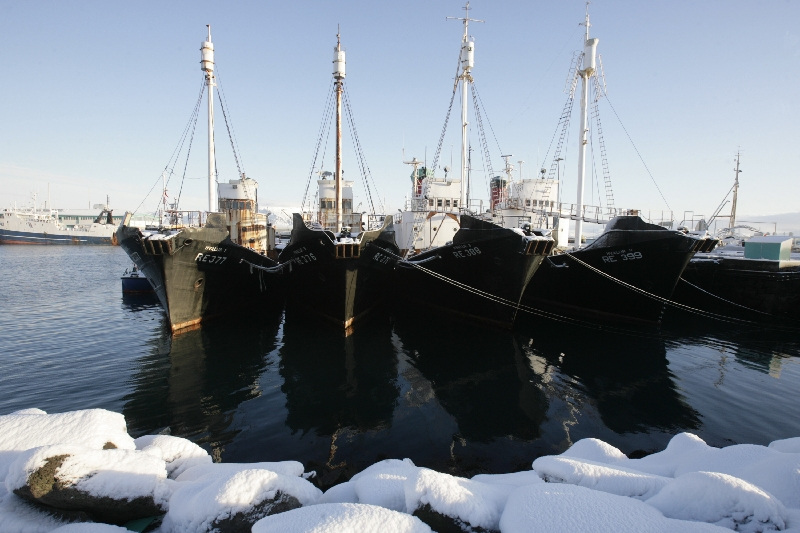
In 2024, Iceland's interim government issued a five-year license to its sole remaining whaling company.
Only Iceland, Norway and Japan have conducted commercial whaling in recent years, according to the International Whaling Commission's catch list.
Norway resumed commercial whaling in 1993 and Iceland in 2006, despite an international moratorium that took effect in 1986 to protect whale populations.
Japan withdrew from the International Whaling Commission in 2019 and resumed commercial whaling in its territorial waters and exclusive economic zone.
The moratorium allows indigenous peoples in certain parts of the world, such as Greenland and Alaska, to hunt whales because whale products play a vital role in their nutritional and cultural lives.
关注我们