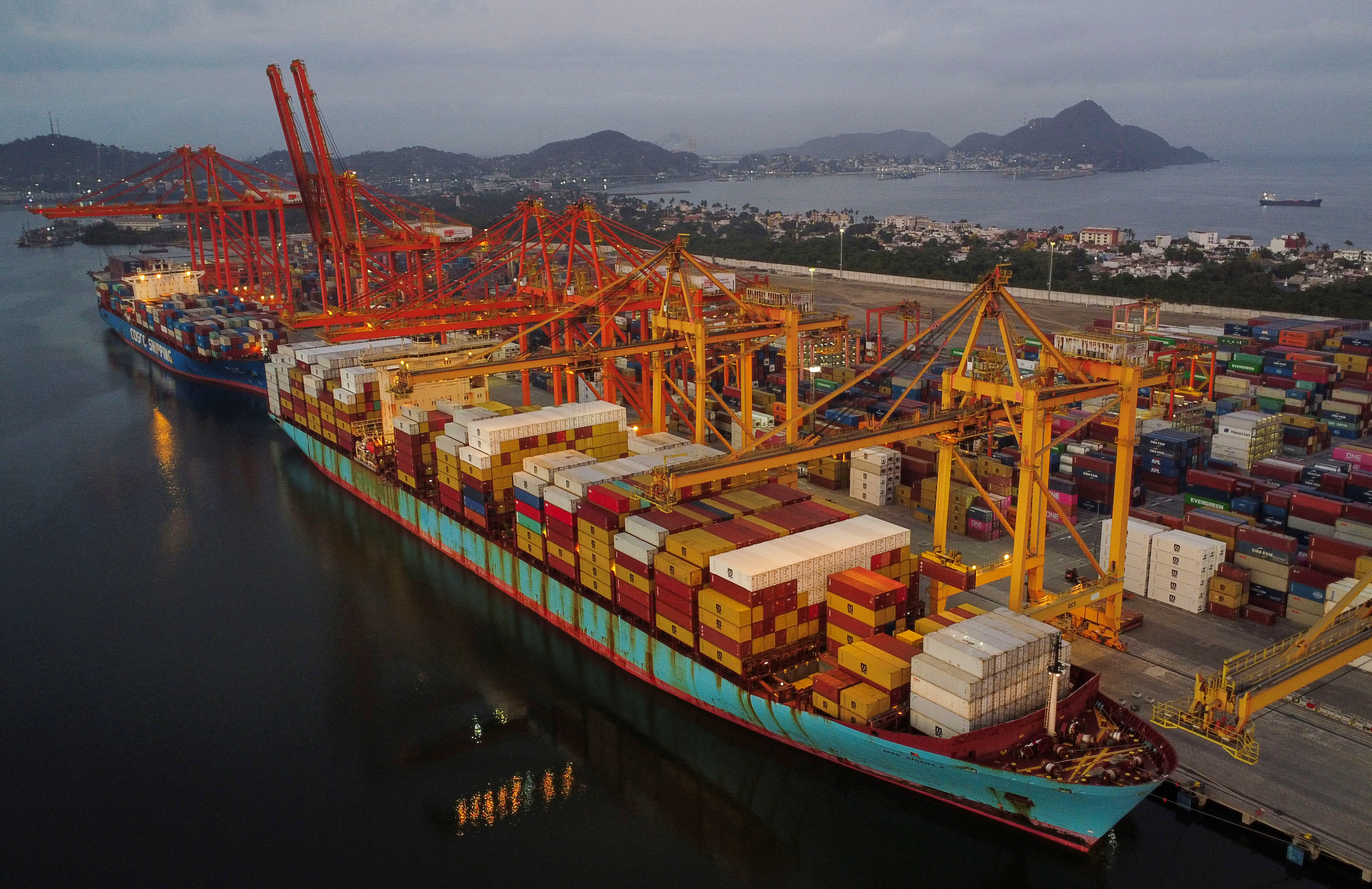
Mexico's sweeping new tariffs on imports from mostly Asian countries are set to take effect on Thursday, in a move that will largely align Mexico with the U.S. as the neighboring countries place significant barriers on Chinese imports.
Approved by Congress in early December, the measure raises tariffs - most up to 35% - on countries without free trade agreements with Mexico, including China, India, South Korea, Thailand and Indonesia. China is expected to bear the greatest impact.
The hikes will apply to thousands of products, including automobiles, auto parts, textiles, clothing, plastics and steel.
The move has drawn strong opposition from China and some domestic industries concerned about rising costs.
Mexican President Claudia Sheinbaum and members of her administration have said the tariffs seek to bolster domestic production and address trade imbalances, and insisted they are not directed at a particular country.
"This tariff modification primarily aims to safeguard nearly 350,000 jobs in sensitive sectors like footwear, textiles, apparel, steel, and automotives, while contributing to sovereign, sustainable, and inclusive reindustrialization," Mexico's economy ministry said in a statement.
The levies will also provide an additional $3.76 billion in government revenue next year as Mexico works to reduce its fiscal deficit.
Many political and trade analysts believe the tariffs, which will primarily affect Chinese goods, are aimed at placating the Trump administration ahead of the upcoming review of the U.S.-Mexico-Canada trade agreement (USMCA).
关注我们